Before the War
March 2026
Before the war began in Iran, I visited two exhibitions.
Bellezza e Bruttezza in Brussels. Metamorphoses at the Rijksmuseum in Amsterdam.
Both showed me the same thing: Ovid is still alive, through the question of beauty.
Not as heritage. As an open wound.
Brussels ended with Pomona — the one woman in Ovid who chose her own story. Amsterdam began where she left off.
I became Narcissus, standing before the mirror of history.
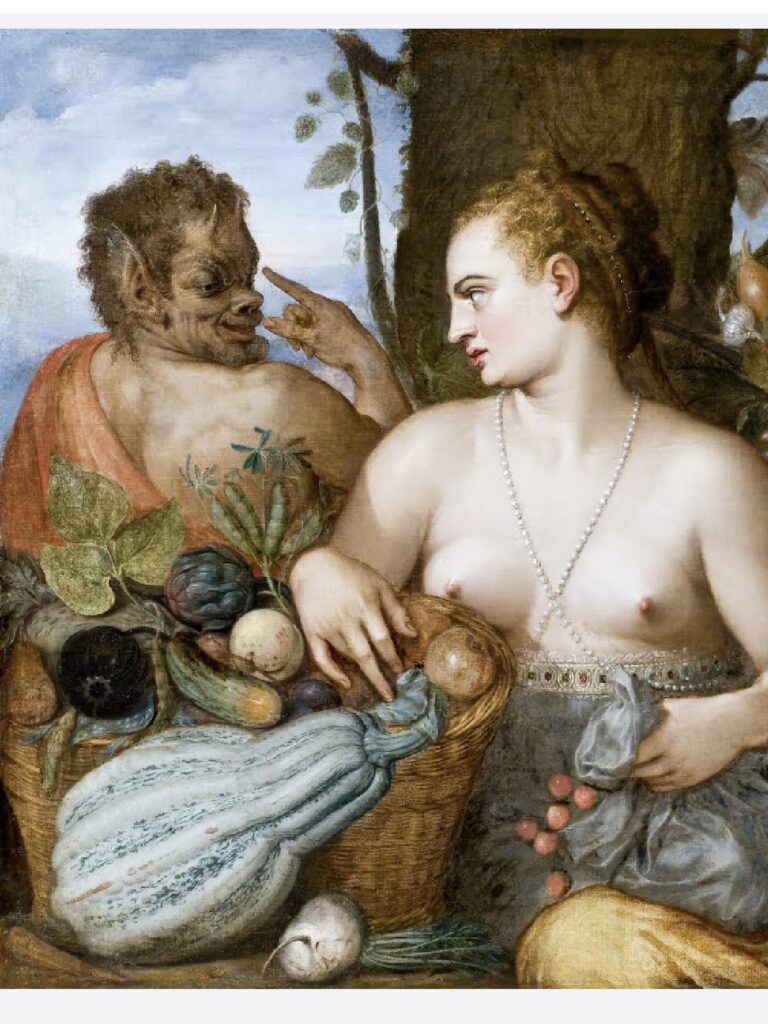
Pomona ,Frans Floris de Vriendt
The exhibition began with Mendieta — a body born from earth and ash, before the gods arrived. Around me, every metamorphosis had already happened. But Leda was still becoming. And Medusa had already arrived in peace.
In front of Leda and the Swan, I felt it — the weight of another Trojan War already forming.
Isamu Noguchi’s Leda gave the myth a new body: abstract, raw — the pure energy of two forces meeting.
Then came Juul Kraijer — and the myth found its future.
Her Woman and Swan transformed the myth itself — beauty became subjective, political, and the woman’s own. Her woman is no longer the victim of a god’s desire or an animal’s force — she is a participant, choosing her own path.
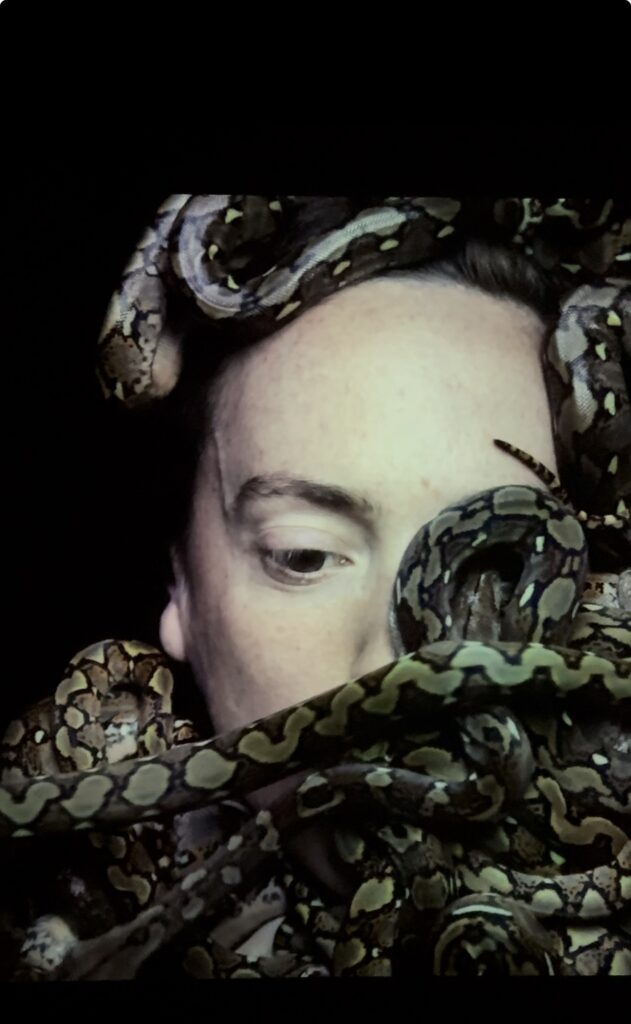
Spawn, Juul Kraijer
In another of Juul Kraijer’s works, I saw a modern Medusa.
Surrounded by snakes, her gaze turned inward. She rests in a stone-like peace.
I thought of the hair of women in Iran.
She is every woman whose beauty power tried to silence.
Outside, ugliness. The war had begun.
The new Helen behind this war will not say my mother was deceived by a Swan.
© Alennott 2026.
alennott.com
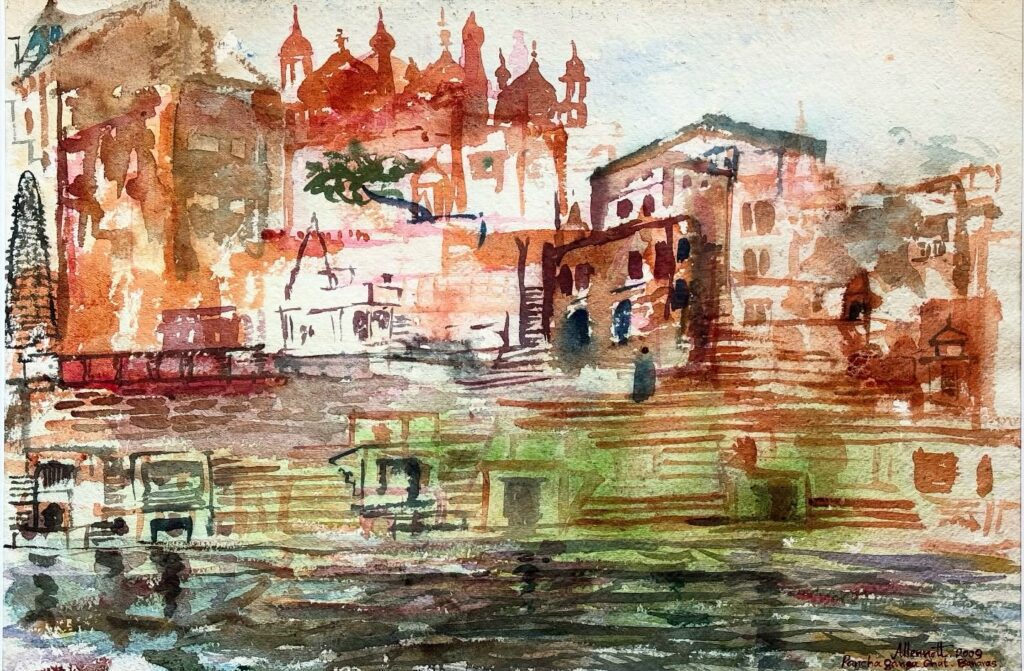
Pancha Ganga Ghat (Watercolour ,2009)
30 December 2025
Meeting the owner of this painting today brought the whole story back to me.
I painted this from a boat rowed by the children of Varanasi. At the time, I felt the work was a failure, so I threw the painting into the river—but one of the children reached into the water and rescued it.
In that moment, throwing the work was a ritual. I was not just throwing away a painting, but my name and the inherited past connected to it. I began signing with my father’s Dravidian name, rooted in culture,seeking a new beginning.
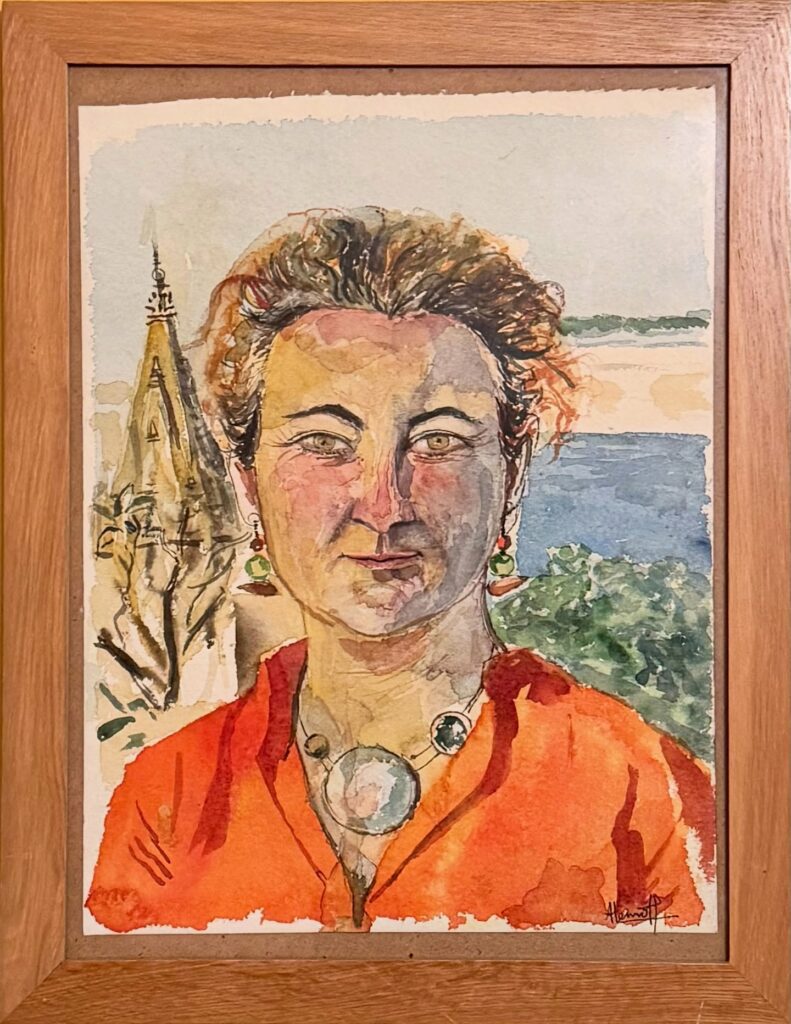
Two days later, the name ´Alennott ´was returned to me. I met a woman who saw that the name was unique, musical, and universal. That woman became my companion, and through her, I found a rebirth.
Today, my name is a home without territories. Wherever I stand, I practice the art of peace.